Guide
Laser hair removal and ingrown hairs
Laser reduces the number of hairs that can grow back, which reduces the number that can curl inward. It does not fix a bump that is already there, and the shedding weeks can look worse before they look better.
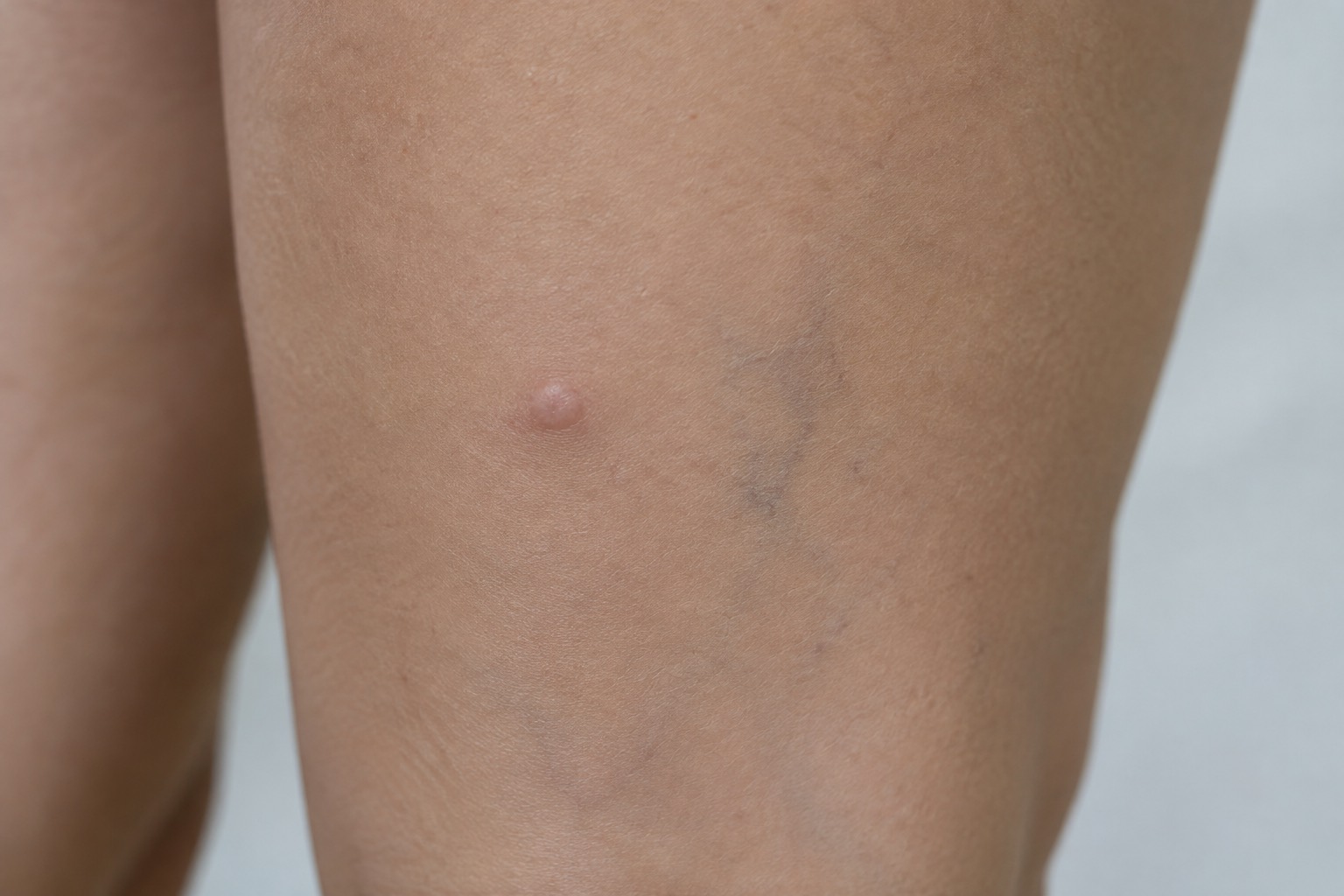
Why they form
An ingrown hair is a shaft that curls back into the skin instead of leaving it, or one that grows sideways under the surface after being cut. Coarse, curly hair is the usual candidate, and the usual triggers are waxing, shaving close against the grain, and tight clothing that presses hair back into the skin. The result is a small bump, sometimes with a dark line beneath the surface, sometimes inflamed.
They are most common on the bikini line, the underarms, the beard area and the back of the thighs. Repeating the same method on the same area tends to produce the same result, which is why people who get them regularly start looking for something other than another wax.
What laser changes about them
Laser treatment works on the follicle rather than the surface, and it reduces the number of hairs that can grow back at all. Fewer hairs means fewer opportunities for one to curl inward, and finer hair is less likely to be trapped. For many people with recurrent ingrown hairs on the bikini line or the underarms, that reduction is the most welcome part of the result.
What it does not do is treat an ingrown hair that is already there. An inflamed follicle needs to settle before the area is treated, and a clinic should decline to work over active lesions. If a lesion is painful, spreading, or not settling, that is a matter for a clinician rather than for the next appointment.
The shedding weeks
In the weeks after a session, as treated hairs are pushed out, some can briefly become trapped under the surface. This is the window when people notice new bumps and assume the treatment caused them. In most cases they clear as the hair sheds, and the area settles well before the next appointment.
Keep the area clean, avoid tight clothing, and do not squeeze or dig at a bump. Gentle exfoliation after the first week can help hairs reach the surface. If a bump becomes hot, spreading or very painful, contact the clinic and speak to a clinician rather than continuing to work on it at home.
Shaving, waxing and the habit behind them
The method you use between sessions matters as much as the treatment does. Shaving with a sharp blade and with the grain, rather than against it, cuts the hair at an angle less likely to curl back under the skin. One pass with a clean razor is better than three passes chasing a closer shave, and shaving after a warm shower softens the hair first.
Waxing and epilating are the two methods most likely to produce ingrown hairs in someone who is prone to them, because the hair is pulled out and the new shaft has to find its way through the same opening. They are also the two things a clinic will ask you to avoid between laser sessions. If you need to remove hair before an appointment, shave, and leave the wax for after the course.
What to ask a clinic
Ask how they handle an active ingrown hair on the day, whether they will treat around it or reschedule, and what they recommend between sessions. A clinic that treats straight over inflamed skin is trading your result for their calendar, and it will show in the weeks afterwards.
Ask, too, whether they have treated skin like yours, particularly if you scar easily or have darker skin where pigment change is a bigger risk. And ask what they want you to do if the area looks worse during the shedding weeks, because that is the point at which good instructions save a course. A written aftercare sheet with the clinic number on it is a good sign; a verbal instruction you cannot recall on a Sunday is not.
Where this sits in the rest of the site
If you are choosing a clinic rather than reading up, start with how the treatment works and what drives the price, then compare the markets we cover and what we verify before you book anything.
This page describes general practice around ingrown hairs and laser hair reduction. It is not medical advice; persistent or infected lesions should be assessed by a clinician.